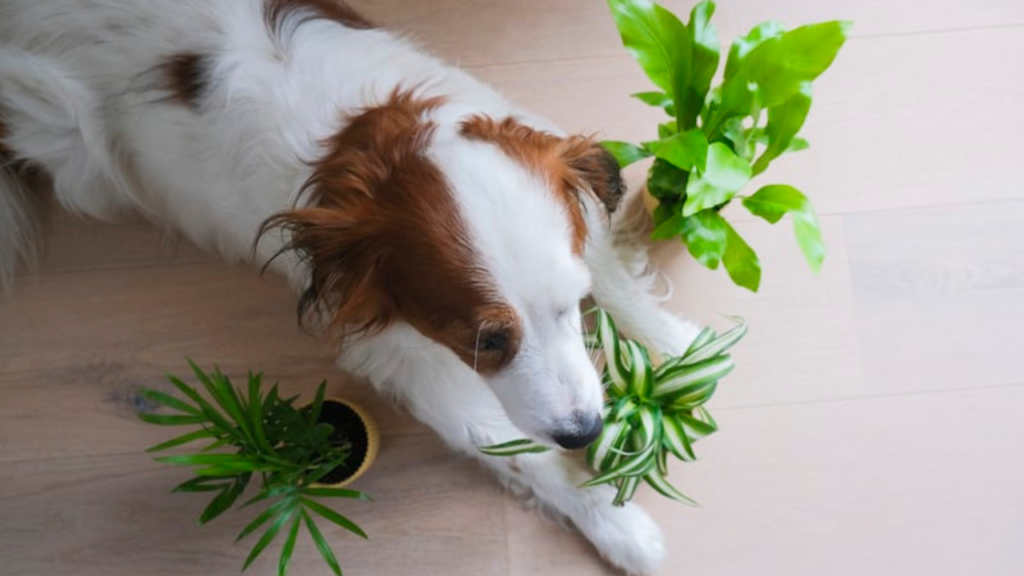
Creating a lush, indoor sanctuary is a dream for many homeowners, but for those of us who share our lives with furry companions, this dream often comes with a layer of anxiety. We have all heard the horror stories of a curious kitten nibbling on a lily or a playful puppy chewing on a sago palm, leading to devastating health consequences. The conflict between our love for botanical aesthetics and our devotion to our pets is real, but it is not an impossible hurdle. You do not have to choose between a sterile, plant-free home and a dangerous environment for your animals. The world of horticulture is vast, and there are hundreds of stunning, vibrant, and architecturally interesting plants that are completely non-toxic to cats and dogs.
The key to successful “pet-parent gardening” is education and intentional selection. It is about understanding that while many common houseplants are toxic, they are often popular simply because they are easy to grow, not because they are the only options available. By shifting our focus toward species that have been verified as safe by organizations like the ASPCA, we can build a home that breathes with life while keeping our four-legged friends out of the emergency clinic. This comprehensive guide will explore the best pet-safe plants, the science of why some plants are dangerous, and how to style your greenery to minimize the temptation for your pets to turn your garden into a snack bar.
The Biological Reality of Plant Toxicity
Before we dive into the safe list, it is worth discussing why toxicity occurs in the first place. Plants, unlike animals, cannot run away from predators. Over millions of years, they have evolved complex chemical defense mechanisms to deter herbivores from eating them. These defenses can range from physical deterrents like thorns to chemical ones like oxalates, alkaloids, and glycosides. While a deer in the wild might know to avoid certain leaves, our domesticated cats and dogs often lack that ancestral instinct, especially when bored or curious in a confined apartment.
For example, many popular plants like the Philodendron or the Peace Lily contain insoluble calcium oxalate crystals. When a pet bites into these leaves, the crystals act like thousands of tiny needles, piercing the mouth, tongue, and throat. This causes immediate pain, swelling, and drooling. While usually not fatal, it is a traumatic experience for both the pet and the owner. On the far more dangerous end of the spectrum are plants like true Lilies (for cats) or Sago Palms (for everyone), which can cause organ failure from even the smallest ingestion. Knowing this makes the search for pet-safe alternatives not just a design choice, but a moral imperative for responsible pet ownership.
The Superstars of the Pet-Safe World
If you are looking for that classic, jungle-like feel without the risk, your first stop should be the Pilea Peperomioides, also known as the Chinese Money Plant. With its perfectly round, coin-shaped leaves and upright growth habit, it is a darling of modern interior design. Not only is it incredibly photogenic, but it is also completely non-toxic. It is a sturdy plant that can handle the occasional investigative sniff or accidental tail-swipe without wilting.
Another heavy hitter in the safe category is the Parlor Palm (Chamaedorea elegans). For decades, palms have been synonymous with indoor luxury, but many “palms” sold in stores are actually cycads (like the Sago) which are lethal. The Parlor Palm, however, is the real deal. It is a slow-growing, elegant plant that thrives in the lower light conditions often found in suburban homes or apartments. Its feathery fronds add a soft, organic texture to a room, and if your cat decides to swat at the dangling leaves, the only thing you have to worry about is the aesthetic damage to the plant, not the health of your cat.
For those who love trailing plants but are terrified of the toxic Pothos, the Swedish Ivy (Plectranthus verticillatus) and the Spider Plant (Chlorophytum comosum) are your best friends. The Spider Plant is particularly famous for its resilience and its ability to produce “pups” or babies that hang down from the mother plant. While cats are strangely attracted to Spider Plants because they have a mild hallucinogenic effect similar to catnip, the plant itself is non-toxic. It is a wonderful way to add vertical greenery to shelves or hanging baskets while keeping your mind at ease.
Creating a Harmony Between Foliage and Fauna
Even with non-toxic plants, a bored dog or an energetic cat can still cause havoc. A knocked-over ceramic pot can result in broken glass and a mud-covered rug, which is a different kind of stress. To truly elevate your space, you need to consider the “structural” aspect of your plant placement. This is where the intersection of decor and pet psychology comes into play.
One creative solution is the use of “decoy plants.” If you have a cat that simply refuses to stop chewing on green things, consider growing a dedicated tray of organic wheatgrass, commonly known as “cat grass,” in an accessible location. By providing a safe, tasty, and legal green snack, you can often distract your pet from your more expensive decorative specimens. Place the cat grass in their favorite sunlit corner, and keep your Parlor Palms and Calatheas on higher stands or shelves where they are less likely to be bothered.
Use heavy, wide-based pots: Pets, especially large dogs with wagging tails, can easily tip over top-heavy planters. Choosing heavy stoneware or concrete pots makes your garden more stable and less prone to accidents.
Verticality is your friend: Wall-mounted planters and ceiling hooks are the ultimate way to keep plants and pets separate. It allows you to enjoy the beauty of trailing vines without them becoming a dangling toy for a kitten.
Avoid “enticing” textures: Some pets are specifically attracted to the “crunch” of dried leaves or the “stringiness” of certain ferns. If you notice your pet has a specific texture preference, try to choose plants with thick, waxy leaves like the Hoyas, which are generally less tempting to chew on.
The Calathea Family: High-Style, Zero Risk
Perhaps the most exciting group of plants for pet owners is the Calathea (and their relatives the Marantas and Ctenanthes). Often called “Prayer Plants” because their leaves fold up at night as if in prayer, these plants are famous for their stunning, painterly patterns. Whether it is the pinstripes of the Calathea ornata or the rattlesnake patterns of the Calathea lancifolia, these plants are high-fashion for the home.
The best part? The entire genus is non-toxic. You can fill every corner of your house with these vibrant, purple-backed beauties without a single worry about your dog or cat. While Calathea can be a bit finicky regarding humidity and water quality—preferring distilled water and a moist environment—the effort is well worth it for the peace of mind they provide. They are living proof that you do not have to settle for boring greenery just because you have pets.
Ferns: The True and the False
When shopping for ferns, pet owners must be very careful about nomenclature. The Boston Fern (Nephrolepis exaltata) is a classic, lush choice that is completely safe and excellent for purifying the air. Its cascading fronds create a beautiful, soft look in bathrooms or kitchens where humidity is high. Similarly, the Staghorn Fern is a safe, architectural marvel that can be mounted on wooden boards like a piece of living taxidermy.
However, you must stay away from the Asparagus Fern. Despite its name, it is not a true fern but a member of the lily family, and it can cause skin irritation and gastric upset. Always check the scientific name before bringing a “fern” home. A true fern, like the Boston or the Bird’s Nest Fern, will have that wonderful, feathery appearance and be a perfectly safe companion for your pets.
Managing the “Snack” Instinct
Even if every plant in your home is on the safe list, you should still discourage your pets from eating them. Ingesting large amounts of any plant material can cause mild vomiting or diarrhea simply because the animal’s stomach is not designed to process large quantities of fiber. If you catch your pet chewing, use a firm “no” or a gentle redirection to a toy. Some owners find success using bitter-apple sprays on the leaves, which makes the plant taste unpleasant without harming the plant or the pet.
Education is your best tool. Keep a digital list of the plants you own so that in the unlikely event your pet gets sick, you can tell your veterinarian exactly what they might have nibbled on. This prevents unnecessary panic and ensures your pet gets the right treatment if they are actually suffering from something else, like a change in diet or an unrelated bug.
Conclusion: A Thriving, Safe Ecosystem
The journey to a pet-safe home is one of the most rewarding projects an indoor gardener can undertake. It forces you to look beyond the “top ten” lists at big-box stores and discover the incredible diversity of the plant kingdom. From the architectural beauty of the Hoya to the whimsical charm of the Spider Plant, there is a non-toxic option for every design style and light level.
By choosing plants like the Parlor Palm, the Calathea, and the Boston Fern, you are creating a home that is a sanctuary for all its inhabitants, both human and animal. You are proving that a high-end, botanical aesthetic can coexist with the chaotic, joyful reality of living with pets. It is about balance, awareness, and a little bit of creative styling. Your home will be more vibrant, your air will be cleaner, and your furry best friends will be safe to roam their indoor jungle as they please.