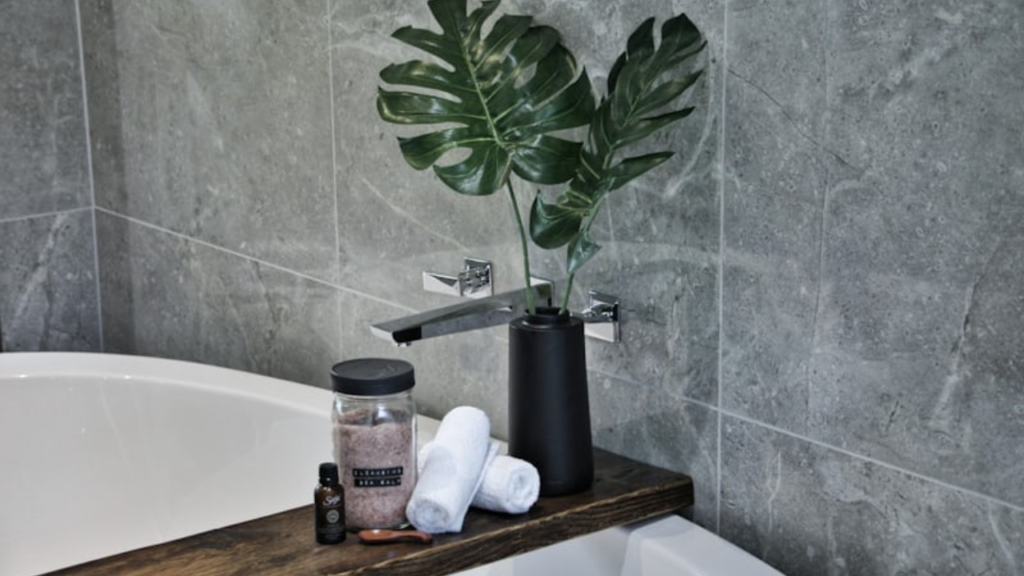
The modern bathroom is often viewed as a purely functional space, a place of cold tiles, porcelain surfaces, and sterile lighting designed for efficiency rather than comfort. However, there is a growing movement in interior design that seeks to reclaim this room as a personal sanctuary, a private spa where one can decompress from the stresses of the outside world. The most effective way to achieve this transformation is not through expensive renovations or high-end fixtures, but through the strategic introduction of living greenery. Bathrooms possess a unique microclimate characterized by high humidity, fluctuating temperatures, and often, limited light. While these conditions might spell disaster for a desert cactus, they are the exact ancestral requirements for a vast array of tropical plants that thrive in the misty understory of the rainforest.
When we talk about creating a bathroom sanctuary, we are looking for more than just decoration. We are looking for botanical companions that can bridge the gap between the built environment and the natural world. Humidity loving plants do not just survive in the bathroom; they flourish, soaking up the steam from your morning shower and turning it into vibrant, lush foliage. This guide will explore the biological reasons why certain plants love the steam, the best species for various light levels, and the creative ways you can arrange your green sanctuary to maximize both aesthetics and air purification.
The Science of Steam: Why Humidity Matters for Tropical Flora
To understand why the bathroom is a paradise for certain plants, we have to look at the anatomy of a leaf. Most tropical plants originate from regions where the air is thick with moisture. These plants have evolved to breathe through tiny pores called stomata, which open and close to regulate gas exchange and moisture loss. In a dry living room, these plants struggle because the dry air pulls moisture out of their leaves faster than their roots can replace it, leading to the dreaded crispy brown edges. In the bathroom, however, the high ambient humidity slows down this process of transpiration. This allows the plant to maintain turgor pressure in its cells, resulting in leaves that are plump, vibrant, and incredibly healthy.
Furthermore, many humidity loving plants are epiphytes or lithophytes in nature, meaning they grow on trees or rocks rather than in the soil. These plants often have specialized root systems or leaf structures designed to absorb moisture directly from the air. By placing them in a steamy bathroom, you are essentially providing them with a buffet of their favorite nutrient: water vapor. This leads to faster growth rates and a level of vitality that is difficult to achieve in any other room of the house.
Top Botanical Candidates for the Steamy Sanctuary
The first plant that comes to mind for any bathroom project is the Boston Fern (Nephrolepis exaltata). There is a reason this plant has been a staple of Victorian bathrooms and modern spas alike. Its feathery, arching fronds create a sense of movement and softness that perfectly counteracts the hard lines of bathroom tile. The Boston Fern is a humidity glutton; it thrives in the mist and actually prefers its soil to remain consistently damp. It is the ideal candidate for a hanging planter, where its foliage can cascade down from the ceiling like a green waterfall.
For those with lower light levels, the Peace Lily (Spathiphyllum) is an unbeatable choice. Not only does it tolerate the dim light often found in bathrooms with small or frosted windows, but it also acts as a powerful air purifier, removing toxins like mold spores and VOCs from the air. The Peace Lily has a wonderful way of communicating its needs; if the humidity drops or it needs water, its leaves will dramatically wilt, only to perk back up within an hour of receiving attention. Its elegant white spathes bring a touch of sophisticated calm to the vanity or the edge of a soaking tub.
If you are looking for something with a more modern, architectural feel, the Snake Plant (Sansevieria) and the ZZ Plant (Zamioculcas zamiifolia) are surprisingly well suited for the bathroom. While they are often touted as drought tolerant desert plants, they are actually incredibly adaptable. In a bathroom, they benefit from the humidity but require very little watering because the air provides much of the moisture they need. Their vertical, upward growth makes them perfect for tight corners or narrow shelving where space is at a premium.
Creative Styling for the Botanical Bathroom
Elevating your bathroom from a room with plants to a true botanical sanctuary requires a bit of design intention. You want to avoid the “cluttered windowsill” look and instead create layers of greenery that feel like they are part of the room’s architecture.
Use vertical space with hanging planters: The ceiling is often the most underutilized area in a bathroom. Hanging a group of Spider Plants (Chlorophytum comosum) at different heights creates a dynamic, jungle-like feel without taking up any precious counter space.
Incorporate tiered shelving: A bamboo or teak ladder shelf placed near the shower can house a collection of smaller humidity lovers like Calatheas or Peperomias. This allows you to group plants with similar needs together, creating a micro-ecosystem where they can humidify each other.
The “Shower Plant” trend: Some adventurous gardeners have taken to hanging bunches of dried eucalyptus or even live plants like Air Plants (Tillandsia) directly in the shower. The steam releases the essential oils of the eucalyptus, providing a therapeutic scent, while the air plants soak up the spray and mist effortlessly.
Light Levels: Matching the Plant to the Window
The biggest challenge in bathroom gardening is the light. Many bathrooms have small, north facing windows or frosted glass that cuts down on the available sun. You must be honest about your light levels before choosing your plants.
If you have a bright, south facing window, you can experiment with more exotic choices like the Orchid or the Croton. Orchids are notoriously difficult in dry homes but thrive in the consistent warmth and moisture of a bathroom. They love the bright, filtered light and will reward you with long lasting, exotic blooms that make every shower feel like a trip to a tropical resort.
For windowless bathrooms, the situation is more difficult but not impossible. You can utilize high quality LED grow lights hidden inside stylish light fixtures to provide the necessary spectrum for your plants. Alternatively, you can rotate plants in and out of the room, giving them a week in the bathroom followed by a week in a brighter part of the house. However, for a truly permanent setup in a dark room, sticking to low light champions like the Cast Iron Plant (Aspidistra elatior) or the Lucky Bamboo is your safest bet.
Maintenance Rituals in a High Humidity Environment
While humidity loving plants are generally easier to care for in a bathroom, the environment presents its own set of challenges. One of the primary concerns is the risk of fungal growth. Because the air is still and moist, it can be easy for mold or mildew to develop on the surface of the soil or the leaves. To prevent this, ensure your bathroom has decent ventilation. Running the exhaust fan for twenty minutes after a shower or leaving the door cracked can provide the necessary air circulation to keep the environment healthy.
Another factor to consider is the buildup of soap and hairspray residue on the leaves. Over time, these aerosols can create a film that clogs the plant’s stomata, making it harder for them to breathe. A gentle wipe-down with a damp cloth once a month is usually enough to keep the foliage clean and shiny. This is also a great time to inspect for pests like spider mites, which, although they prefer dry air, can still occasionally find their way into a bathroom collection.
Watering schedules will also differ in the bathroom. Because the air is so moist, the soil will take longer to dry out than it would in the rest of the house. Always use the “finger test” before watering. Stick your finger an inch into the soil; if it feels damp, wait a few more days. Overwatering is the most common killer of indoor plants, even those that love humidity. The goal is a damp, not soggy, environment.
The Psychological Benefits of a Bathroom Garden
Beyond the aesthetic and biological advantages, there is a profound psychological benefit to bathing surrounded by nature. Studies have shown that interacting with plants can lower cortisol levels and improve mood. In a room where we are often at our most vulnerable and where we begin and end our days, this sense of peace is invaluable. The sight of a new leaf unfurling on your Philodendron or the scent of damp earth after a hot shower provides a grounding experience that connects us to the larger cycles of life.
By choosing the right plants for your light levels and arranging them with care, you can turn a cold, utilitarian space into a vibrant, living lung for your home. Your bathroom becomes more than just a place to wash; it becomes a sanctuary of growth, health, and tranquility. Whether you start with a single Heartleaf Philodendron on a shelf or go all out with a floor to ceiling living wall, the addition of humidity loving plants will forever change the way you experience your daily routine.