The concept of bringing the outdoors in has evolved far beyond a simple spider plant sitting on a dusty windowsill. In the modern era of interior design, plants have transitioned from mere accessories to fundamental structural elements of the home. They are the living, breathing soul of a living space, capable of softening harsh architectural lines, purifying the air, and providing a sense of psychological tranquility that cold furniture simply cannot replicate. To truly elevate your living space through botanical decor, one must move past the basic placement of pots and start thinking like a designer who works with living sculptures.
The primary challenge many face is not just keeping the plants alive, but integrating them into a cohesive aesthetic that feels intentional rather than cluttered. A room filled with mismatched pots on the floor often feels like a greenhouse annex rather than a curated home. To achieve a high-end look, we must explore the interplay of height, texture, leaf shape, and vessel materiality. This guide will delve deep into the creative strategies that transform a collection of plants into a sophisticated botanical gallery.
The Psychology of Botanical Design
Before diving into the physical placement of plants, it is essential to understand why botanical decor is so effective at elevating a space. Humans possess an innate tendency called biophilia, which is a natural attraction to nature and living systems. When we integrate plants into our living rooms, bedrooms, and even kitchens, we are satisfying a deep-seated biological need. This connection translates into reduced stress levels and increased creativity. From a design perspective, plants provide “visual rest.” In a room filled with the sharp angles of a television, a coffee table, and bookshelves, the organic, unpredictable curves of a Philodendron or a Monstera provide a necessary break for the eyes.
Furthermore, plants act as natural acoustic dampeners. In modern homes with hard flooring like wood or tile, sound tends to bounce and create a cold, echoing environment. Large, leafy plants like the Fiddle Leaf Fig or a dense collection of ferns can help absorb and scatter sound waves, making a room feel intimate and cozy. This functional beauty is what separates professional plant styling from amateur hobbyism.
Verticality and the Art of the Living Wall
One of the most transformative ways to elevate a living space is to move the greenery off the floor and onto the walls. When we limit plants to floor level, we leave a massive amount of “dead space” in the upper half of our rooms. Creative vertical gardening is the solution to this imbalance. A living wall, or a vertical garden, can range from a sophisticated hydroponic system to a simple arrangement of wall-mounted planters.
For a high-end look, consider the use of modular wall planters made from natural materials like terracotta, ceramic, or even reclaimed wood. By grouping these planters together in a geometric pattern, you create a living tapestry. The choice of plants here is crucial. Using trailing varieties like Pothos, Scindapsus, or Hoya allows the greenery to cascade down, eventually obscuring the planters themselves and creating a seamless curtain of leaves. This technique is particularly effective in small apartments where floor space is a premium. It draws the eye upward, making the ceilings feel higher and the room feel more expansive.
Another creative way to utilize vertical space is through the use of ceiling-mounted installations. Instead of a standard chandelier, imagine a custom-built wooden grid suspended over a dining table, adorned with air plants (Tillandsia) and trailing vines. This creates a focal point that is both dramatic and organic. Air plants are particularly useful here because they do not require soil, which eliminates the risk of dirt falling onto the table and allows for very light, ethereal arrangements.
Framing Architectural Features with Greenery
Plants can be used as architectural tools to highlight or soften specific features of your home. If you have a large window with a beautiful view, you can “frame” that view with tall, slender plants like the Madagascar Dragon Tree or a pair of symmetrical Ficus Lyratas. This draws the attention toward the light and the scenery, making the window feel like a living painting.
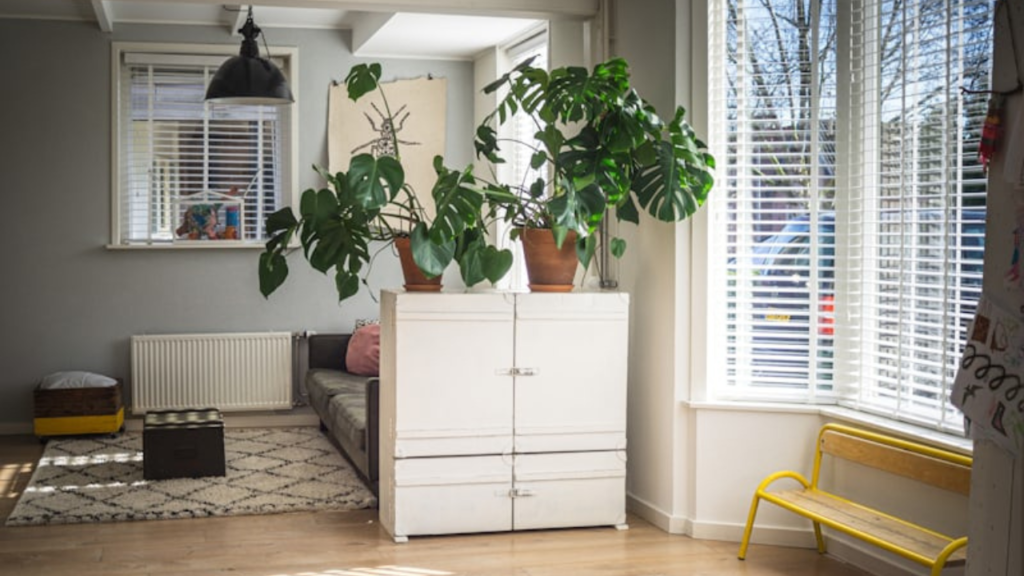
Conversely, if your home has awkward corners or exposed pipes, plants can act as a natural camouflage. A large, bushy Monstera Deliciosa can hide a cluster of unsightly cables or fill an empty, dark corner that feels cold. The key is to match the plant’s scale to the architectural feature. A small succulent will look lost next to a grand fireplace, whereas a towering Bird of Paradise will command the space and bring a sense of tropical luxury to the hearth.
Texture and Leaf Morphology as Design Elements
When designers talk about “texture,” they are referring to the visual weight and surface quality of an object. In the plant world, texture is incredibly diverse. You have the soft, feathery fronds of a Maidenhair Fern, the thick, waxy, architectural leaves of a ZZ Plant, and the sharp, pointed geometry of a Snake Plant.
To elevate a space, you should aim for “textural contrast.” Placing a fine-textured plant next to a bold-textured one makes both look more interesting. For example, placing a delicate Asparagus Fern on a marble pedestal next to a large-leaved Rubber Tree creates a sophisticated visual dialogue. The eye jumps between the intricate detail of the fern and the bold, dark silhouette of the tree. This layering of textures is what gives a room depth and prevents it from looking flat.
Selecting the Right Vessels: Beyond the Terracotta Pot
The pot is just as important as the plant when it comes to decor. To elevate your space, you must treat your planters as pieces of sculpture. The current trend moves away from matching sets and toward a curated mix of materials that complement the room’s color palette.
Natural Stoneware: Hand-thrown ceramic pots with matte glazes bring a wabi-sabi, artisanal feel to a room. They work beautifully in Scandinavian or Japandi-style interiors.
Metallic Accents: Brass, copper, or brushed steel planters add a touch of glamour and reflect light into darker corners. These are perfect for mid-century modern or industrial spaces.
Textural Woven Baskets: Large woven baskets made from seagrass or jute are excellent for hiding the plain nursery pots of large floor plants. They add warmth and a bohemian touch to the decor.
When choosing a pot, consider the “negative space” as well. A plant with a sprawling habit might look best in a simple, minimalist cylinder, while a vertical, upright plant might benefit from a pot with interesting ridges or an asymmetrical shape. The goal is to create a harmonious marriage between the biological form and the man-made vessel.
The Impact of Scale and Grouping
A common mistake in indoor plant decor is having too many small plants scattered around. This creates visual “noise” and can make a room look cluttered. Instead, professional stylists use the “rule of three” or the “anchor plant” strategy.
The anchor plant strategy involves choosing one very large, statement plant that serves as the room’s primary green focal point. Once you have this large element, you can group smaller plants around it at varying heights using plant stands or side tables. This creates a “botanical vignette” that feels like a deliberate arrangement rather than a random collection. When grouping, try to vary the height of the plants so that their leaves overlap slightly, mimicking how they would grow in a natural forest understory.
Lighting as a Decor Tool
Light is not just a biological necessity for plants; it is a powerful decor element. The way light hits a leaf can change the entire mood of a room. For instance, placing a plant with variegated leaves, like a Marble Queen Pothos, in a spot where it catches the morning sun will highlight its white and cream patterns, making the corner feel bright and energetic.
In the evening, you can use artificial lighting to create a “shadow garden.” By placing a small spotlight or an uplight behind a large, structural plant like a Kentia Palm, you cast dramatic, oversized shadows of the fronds onto the walls and ceiling. This creates a sense of theater and luxury that is perfect for living rooms and dining areas. It turns your plants into dynamic art pieces that change as the sun goes down.
Essential Plant Styling Strategies
While every home is different, there are several universal strategies that can be applied to almost any living space to ensure your plants look their best.
Use varying heights: Never place all your plants on the same horizontal plane. Use stools, benches, and hanging planters to create layers.
Consider the backdrop: A dark green plant might disappear against a dark wall. Use plants with lighter foliage or variegated patterns to pop against moody paint colors.
Maintain a color story: While plants are mostly green, they come in shades ranging from lime to almost black, and many have undertones of red, purple, or silver. Try to coordinate these undertones with your furniture and textiles.
Botanical Decor in Unexpected Places
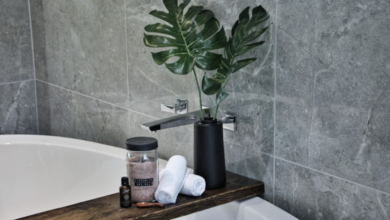
To truly elevate your living space, think beyond the living room. The bathroom, for example, is often an overlooked sanctuary that can be transformed with the right greenery. Plants like the Boston Fern or the Peace Lily thrive in the high humidity of a bathroom. Hanging a lush fern over a bathtub creates a “spa-like” atmosphere that encourages relaxation.
Similarly, the kitchen can be elevated with a dedicated indoor herb garden. Instead of plastic pots on the counter, consider a sleek, wall-mounted steel rack with uniform glass jars for your basil, mint, and rosemary. This is functional decor at its finest, providing fresh ingredients for cooking while adding a vibrant, living element to the heart of the home.
The Longevity of Style: Maintenance as Part of Decor
Finally, the most creative decor idea will fail if the plants look unhealthy. Dust on leaves, yellowing edges, and leggy stems are the enemies of a sophisticated interior. Part of the “elevation” of your space includes a commitment to the grooming of your plants. This means regularly wiping leaves to maintain their shine, pruning back overgrowth to maintain a pleasing shape, and ensuring that your pots remain clean and free of salt buildup.
A well-maintained plant is a sign of a well-maintained home. When a plant looks vibrant and healthy, it radiates vitality into the room. This “vibe” is impossible to fake and is the ultimate secret to a space that feels truly elevated and luxurious. By treating your plants as valued members of your design team, you create a home that is not only beautiful to look at but also a joy to live in.
Creating a Cohesive Theme Across Rooms
One of the most effective ways to make a home feel professionally designed is to create a “botanical thread” that runs through every room. This doesn’t mean every room should look the same, but there should be a subtle repetition of certain plant types or pot styles. For example, you might choose to use matte black ceramic pots throughout your entire home. While the plants inside change—a cactus in the office, a palm in the living room, a trailing ivy in the kitchen—the consistent use of the black vessels creates a sense of unity and flow.
You can also use a specific plant genus as your signature. If you love the look of Philodendrons, you can feature different varieties in different rooms. A large Heartleaf Philodendron in the bedroom, a velvet-leaved Micans on a bookshelf in the hallway, and a majestic Philodendron Gloriosum in the living room. This creates a sophisticated “collection” feel that signals to guests that you are a serious and intentional curator of your space.
The Role of Air Plants and Succulents in Modernist Decor
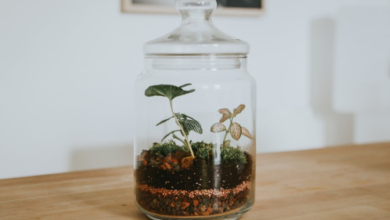
For those who prefer a more minimalist or industrial aesthetic, the “lush jungle” look might feel overwhelming. This is where air plants and succulents come into play as high-design elements. Air plants, with their alien-like shapes and silver-toned leaves, can be displayed in ways that traditional plants cannot. They can be mounted on pieces of driftwood, suspended in glass orbs, or even placed inside large sea shells. Their lack of soil makes them incredibly “clean” design elements, perfect for glass coffee tables or sleek executive desks.
Succulents, on the other hand, offer incredible geometric precision. The perfect spiral of an Echeveria or the tall, fluted columns of a Sansevieria (Snake Plant) fit perfectly into a modern, structured interior. These plants look best when displayed in a way that emphasizes their form. A row of identical succulents in matching minimalist pots along a window ledge creates a powerful, rhythmic visual statement that is both calm and commanding.
Integrating Plants with Technology and Media
In many modern living rooms, the television is the dominant feature, often creating a “black hole” in the room’s design. You can soften the impact of media equipment by surrounding it with greenery. Placing a tall plant to the side of a TV console helps to blend the technology into the room. However, you must be careful not to create a fire hazard or block the vents of your electronics. Using plants with soft, cascading leaves like the Spider Plant on a shelf above the television can also help to break up the hard lines of the screen.
In the home office, plants can be integrated with your desk setup to reduce eye strain and improve focus. A small, low-maintenance plant like a Haworthia or a small Jade plant sitting next to your monitor provides a natural point for your eyes to rest during breaks from the screen. This integration of life and technology is a hallmark of modern, thoughtful living.
Botanical Art: Pressing and Framing as an Alternative
If you have a room with very low light where living plants struggle to survive, you can still elevate the space using botanical art. Creative decor isn’t limited to living specimens. Framing pressed leaves from your own garden or using high-quality botanical prints allows you to maintain the “green” theme in every corner of your home. This can be particularly effective in hallways or bathrooms without windows. By mixing living plants with botanical art, you create a layered, “nature-inspired” narrative that feels rich and well-rounded.
Conclusion: Your Home as an Evolving Ecosystem
Decorating with indoor plants is an ongoing journey. Unlike a piece of furniture that stays the same for years, plants grow, change, and react to the seasons. This means your living space is always evolving. A small cutting you placed on a shelf today might become a massive trailing vine that defines the room two years from now. This sense of growth and change is what makes botanical decor so much more rewarding than traditional interior design.
By focusing on verticality, texture, scale, and the architectural use of greenery, you can transform a standard living space into a breathtaking botanical retreat. Remember that the most important rule is to choose plants that fit both your style and your lifestyle. A home filled with thriving, happy plants is always more beautiful than one filled with struggling, exotic species that are ill-suited to the environment. Start with a few statement pieces, experiment with creative vessels, and watch as your home transforms into a lush, sophisticated sanctuary that truly reflects your creative spirit.