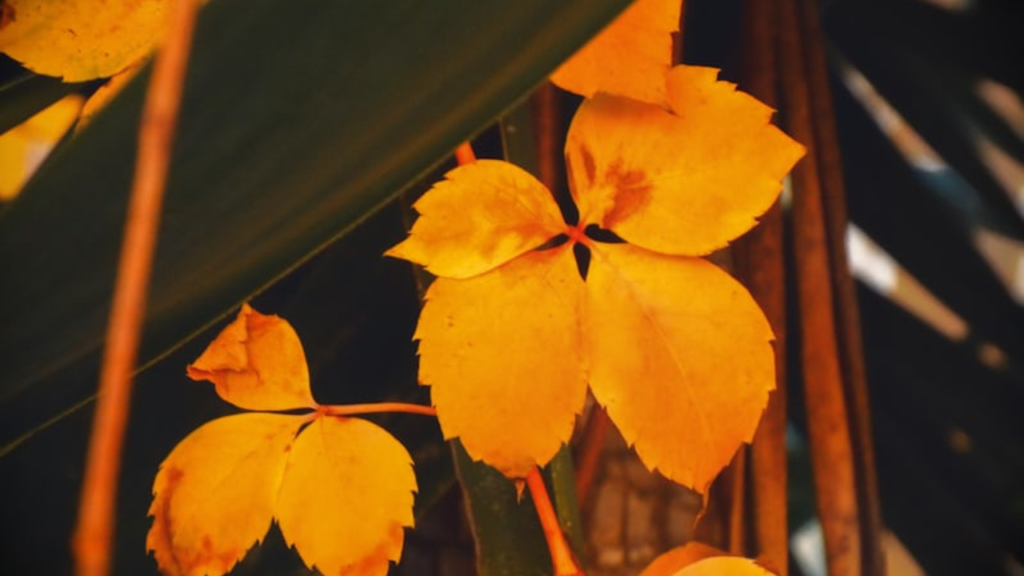
There is a specific kind of sinking feeling that every plant parent knows all too well. You wake up, grab your coffee, walk over to your favorite green companion, and notice it. A leaf that was vibrant and green just forty eight hours ago is now a sickly, pale shade of lemon. This phenomenon, known in the scientific community as chlorosis, is essentially your plant’s way of sending up a flare. It is a distress signal, a cry for help, and a plea for you to change something in its environment.
The challenge is that yellow leaves are a generic symptom for a dozen different problems. It is a bit like a human having a fever; it tells you that the system is fighting something, but it does not tell you exactly what the culprit is. To save your plant, you have to become a botanical detective. You need to look at where the yellowing starts, the texture of the leaf, and the subtle clues hidden in the soil. If you react blindly by throwing more water or fertilizer at the problem, you might actually be pouring gasoline on the fire. This guide will walk you through the diagnostic process so you can stop the yellowing in its tracks and bring back that lush, forest green glow.
The Overwatering Trap and the Philosophy of Root Health
If you see a yellow leaf and your first instinct is to reach for the watering can, stop right there. Statistically speaking, more indoor plants die from excessive kindness than from neglect. Overwatering is the leading cause of yellowing leaves, but it is not the water itself that kills the plant. It is the lack of oxygen. When soil is constantly saturated, the tiny air pockets that roots need to breathe are filled with liquid. The roots literally suffocate, and as they die, they begin to rot. Because the roots are no longer functioning, they cannot send water up to the leaves, which causes the plant to turn yellow and wilt. It is a cruel irony: the plant looks thirsty because its roots are drowning.
When overwatering is the issue, you will usually notice that the yellowing starts with the lower, older leaves. These leaves will feel soft, limp, and almost mushy to the touch. You might even see small brown water spots developing in the center of the yellow areas. To fix this fast, you must immediately stop watering and check the drainage holes. If the soil feels like a swamp, you may need to slide the plant out of its pot and inspect the roots. Healthy roots are firm and white; rotting roots are black, slimy, and smell like a basement. If you catch it early, letting the soil dry out completely is often enough to reset the system.
Nutritional Deficiencies and the Chemistry of the Soil
Beyond the water cycle, your plant is essentially a tiny chemical processing plant. It needs sixteen different elements to build its cells, and if even one of those is missing, the leaves will pay the price. The most common deficiency is Nitrogen. Nitrogen is what gives plants that deep, rich green color because it is a core component of chlorophyll. When a plant runs out of Nitrogen in the soil, it becomes a scavenger. It will pull Nitrogen out of its old leaves to feed the new growth at the top. This results in a slow, uniform yellowing that starts at the bottom of the plant and moves upward.
However, the diagnosis gets more interesting when we look at minerals like Iron and Magnesium. If you see a leaf where the veins stay dark green but the space between them turns bright yellow, you are looking at interveinal chlorosis. If this happens on the new, top leaves, it is almost certainly an Iron deficiency. Often, the Iron is actually present in the soil, but the pH level is too high, which “locks” the Iron and prevents the plant from absorbing it. If the same pattern happens on the bottom leaves, it is usually a Magnesium deficiency. Fixing these chemical imbalances requires a bit more finesse, such as using a chelated iron spray or adjusting your fertilizer, but once the balance is restored, the new growth will emerge perfectly green.
Light, Temperature, and the Environmental Shock Factor
Plants are solar powered organisms. Light is not just a decoration; it is their primary food source. When a plant that craves bright light is tucked away in a dark corner, it can no longer afford to maintain all its chlorophyll. The plant will begin to break down the green pigment in its leaves to conserve energy, resulting in a pale, washed out yellow look. This is often accompanied by “leggy” growth, where the stems get long and thin as the plant desperately reaches toward the nearest window. If this is the case, moving your plant just a few feet closer to a light source can work wonders, though you should do it gradually to avoid shocking the tissues.
Temperature fluctuations and drafts are the hidden killers in many modern homes. Most houseplants are tropical in origin and they value stability above all else. If your plant is sitting directly in the path of an air conditioning vent or next to a drafty window in the winter, the sudden cold can cause a massive “leaf drop” preceded by rapid yellowing. The plant essentially goes into survival mode and sheds its leaves to protect its core. Similarly, placing a plant too close to a radiator can cook the leaves and dry out the air, leading to yellowing edges and crispy tips. Success comes from finding a consistent, stable microclimate where the temperature does not swing more than ten degrees throughout the day.
A Rapid Diagnostic Checklist for Plant Parents
When you are staring down a yellow leaf and panic is starting to set in, use this systematic checklist to identify the problem before taking action.
The Diagnostic Triage List:
Check the Soil Depth: Stick your finger three inches into the dirt. If it is wet and muddy, it is overwatering. If it is bone dry and pulling away from the pot, it is dehydration.
Observe the Location: Is the yellowing only at the bottom? Think Nitrogen or water issues. Is it only at the top? Think Iron or light shock.
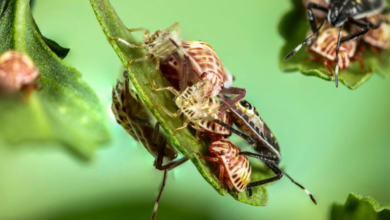
Look for Pests: Use a magnifying glass to check under the leaves. Tiny webs or moving specks mean spider mites or thrips are draining your plant’s life force.
Inspect the Water Source: If you use hard tap water, the yellowing might be a buildup of salts and chlorine. Try switching to filtered or distilled water for a month to see if things improve.
Emergency Recovery Steps:
The Strategic Trim: Snip off leaves that are more than fifty percent yellow. They are no longer helping the plant and are actually a drain on its remaining energy.
The Root Flush: If you have over fertilized, take the plant to the sink and let tepid water run through the soil for several minutes to wash away excess salts.
The Humidity Boost: For plants with yellow, crispy edges, place them on a tray of pebbles and water to increase the local humidity without saturating the roots.
Understanding the Natural Life Cycle of Foliage
Finally, it is important to remember that plants are not plastic. They are dynamic, living things that go through cycles of growth and decay. Sometimes, a yellow leaf is not a sign of disease or bad luck; it is just a sign of age. This is known as natural senescence. As a plant grows taller and produces large, beautiful leaves at the top, it will occasionally decide that the very first leaves it ever grew are no longer worth the effort to maintain. Those bottom leaves will turn yellow, shrivel up, and fall off.
If your plant is otherwise healthy, pushing out new growth, and only losing one or two leaves at the very base every few months, you can breathe a sigh of relief. You are not doing anything wrong. In fact, you are witnessing the natural evolution of your plant as it matures. Simply prune those old leaves away and enjoy the new life springing from the top. Gardening is a marathon, not a sprint, and learning to distinguish between a crisis and a natural process is the hallmark of a truly seasoned plant parent.