Natural Pest Control: How to Get Rid of Fungus Gnats and Spider Mites

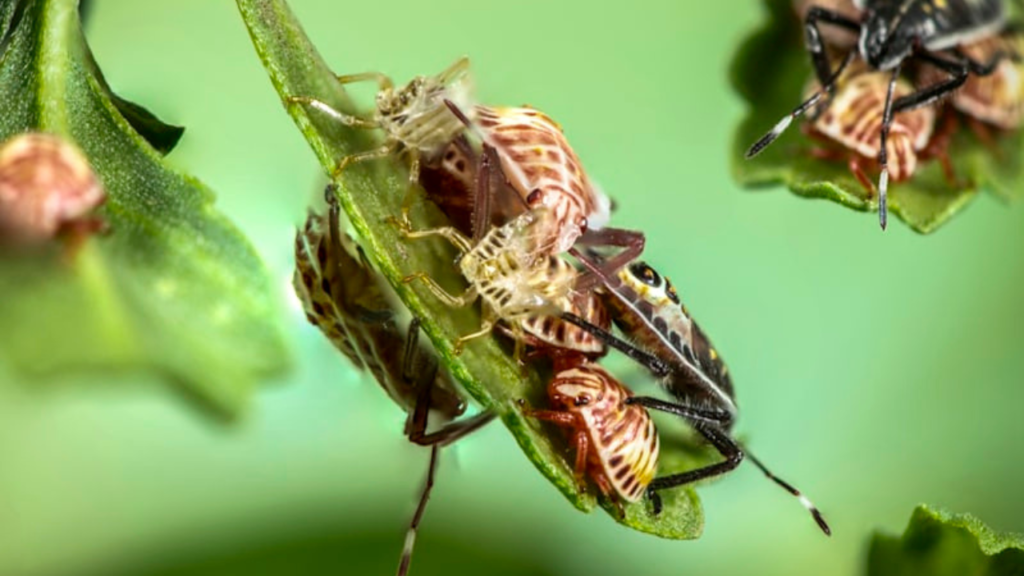
Growing plants indoors is a deeply rewarding journey that brings life and vibrant energy into your living space. However, this journey often comes with uninvited guests that can turn your peaceful indoor oasis into a source of constant frustration. We are talking about pests. For a plant parent, an infestation is not just a nuisance; it is a full blown crisis that can undo months of careful nurturing in a matter of days. Among the rogues’ gallery of indoor pests, two stand out as particularly persistent: fungus gnats and spider mites.
These tiny invaders require a strategic, calculated response. Relying on harsh chemical sprays inside your home is often unnecessary and can be harmful to your family, your pets, and the plants themselves. To truly win the war against these bugs, you need to understand their biology, their weaknesses, and why they chose your plants in the first place. Natural pest control is about more than just killing bugs; it is about managing the environment so that these pests find your home uninhabitable. It takes patience and consistency, but the result is a sustainable, healthy ecosystem for your greenery.
Part One: The Battle Against Fungus Gnats
If you have ever noticed tiny, black, gnat like flies hovering around your face while you sit on the sofa or buzzing near the surface of your pots, you are dealing with fungus gnats. While the adults are mostly just annoying because they do not bite, they are a major red flag regarding the health of your soil. The real damage is happening beneath the surface. The larvae of these gnats live in the top layers of the soil and feed on the delicate root hairs of your plants. This weakens the plant’s ability to take up water and nutrients, making even a well watered plant look limp and sickly.
The root cause of a fungus gnat infestation is almost always overwatering. These pests are attracted to moisture and decaying organic matter in the soil. Soil that stays damp for too long becomes a breeding ground for the fungi that these larvae eat. Therefore, your primary weapon is dehydration. You must let the top two inches of soil dry out completely before you even think about watering again. This simple act of restraint kills the larvae by drying them out and effectively breaks their life cycle. You can also sprinkle cinnamon on the soil surface. Cinnamon is a natural anti-fungal agent, and by removing the fungi, you are essentially starving the larvae to death.
Another heavy hitter in the world of natural control is Diatomaceous Earth. This powder is made from the fossilized remains of tiny aquatic organisms. To a human, it feels like soft flour, but to a gnat larva, it is a landscape of microscopic razor blades. When you apply a layer of this powder to dry soil, it physically shreds any insect that tries to crawl through it. For the flying adults, you can set a simple trap using apple cider vinegar. Place a small bowl of vinegar with a drop of dish soap near the plant. The gnats are attracted to the fermented scent, and the soap breaks the surface tension of the liquid, causing them to fall in and drown.
Part Two: Defeating the Invisible Enemy Known as Spider Mites
While fungus gnats are easy to spot as they fly around, spider mites are the invisible ninjas of the plant world. They are nearly microscopic and are actually arachnids, not insects. They thrive in hot, dry environments, which is why they become a massive problem indoors during the winter months when our heaters are running and the air is parched. The first sign of their presence is usually tiny yellow stippling on the leaves, followed by ultra fine, silky webbing stretched across the stems and the undersides of the leaves.
Spider mites kill a plant by piercing the leaf cells and sucking out the chlorophyll. If you do not act quickly, the leaves will turn a bronzed color and drop off, eventually leading to the death of the entire plant. The best natural defense starts with a shower. Spider mites absolutely detest high humidity and physical disturbance. Take your plant to the sink or shower and blast the leaves with a steady stream of lukewarm water. Be sure to hit the undersides of the leaves where they hide their eggs. This mechanical action alone can wipe out a huge portion of the population and ruin their cozy, dry habitat.
After the shower, it is time to bring out the big guns: Neem Oil. This oil, extracted from the Indian neem tree, is the gold standard of organic pest control. It does not kill through instant toxicity. Instead, it works as a hormonal disruptor that prevents the mites from feeding, molting, and reproducing. Mix a teaspoon of neem oil with a few drops of organic dish soap in a liter of warm water and spray the entire plant once a week. Consistency is the most important factor here. Neem oil does not kill the eggs, so you must keep up the treatment for several weeks to catch the new generations as they hatch before they have a chance to lay more eggs.
Part Three: Sustainable Prevention Strategies
Successful pest management does not end when the last bug dies. It begins by building a preventive system that keeps the next invasion from happening. A strong, healthy plant is your best defense. Pests are like predators in the wild; they look for the weakest link. A plant that is struggling with low light or poor nutrition sends out chemical distress signals that actually attract pests. Providing the right environment is your primary form of pest control.
One of the most effective preventive measures is the “Quarantine Method.” Never place a brand new plant next to your existing collection immediately. Keep it in a separate room for at least two weeks and monitor it closely for any signs of trouble. Additionally, cleaning your leaves regularly with a damp cloth removes the dust that spider mites love to hide under and allows you to catch problems in their earliest stages. It is much easier to deal with ten mites than a colony of millions.
Quick Response Diagnostic Lists
To make things easier for you, here are a few summarized action plans based on the specific threat you are facing.
The Fungus Gnat Eradication Plan:
Dry it Out: Stop watering until the top layer of soil feels like dust.
The Sand Barrier: Apply a half inch layer of fine sand over the soil to prevent adults from laying eggs.
Yellow Sticky Traps: Place these near the soil line to capture the flying adults and monitor the population size.
Garlic Water: Water the soil with a concentrated garlic infusion. The sulfur compounds act as a powerful repellent for the larvae.
The Spider Mite Eradication Plan:
Boost Humidity: Use a humidifier or a pebble tray to keep the air moist around your plants.
Rubbing Alcohol Wipe: For small infestations, use a cotton swab dipped in seventy percent rubbing alcohol to wipe away mites and webbing.
Potassium Soap Spray: Use an insecticidal soap to break down the outer shells of the mites, causing them to dehydrate.
Aggressive Pruning: If a leaf is completely covered in webbing, snip it off and bag it immediately to reduce the pressure on the rest of the plant.
Deep Dive: Why Natural Treatments Sometimes Fail
Many people complain that natural remedies like neem oil do not work. Usually, the failure is not the product but the application. Natural pest control requires one hundred percent coverage. If you miss a tiny corner under a single leaf, a few mites will survive and rebuild the colony within days. Timing is also critical. You should always spray in the evening to prevent the oil from reacting with sunlight and burning the leaves, and to give the treatment as much time as possible to soak in before it evaporates.
Furthermore, you should be mindful of the soil you use. Sometimes, cheap potting soil is pre loaded with fungus gnat eggs from the factory. It is always a good idea to “pasteurize” new soil by pouring boiling water over it before use to kill any dormant hitchhikers. Managing your plant’s environment is an art form that requires sharp observation. When you start viewing your plants as part of a complete ecosystem, you will realize that a bug or two is not a disaster; it is just a signal that you need to adjust your care routine.
In the end, choosing natural pest control is an act of respect for nature and your own health. Using heavy chemical pesticides inside your bedroom or living room might solve the problem temporarily, but it leaves behind toxic residues that you cannot see. By relying on neem oil, cinnamon, and proper watering, you are not just protecting your plants. You are building an environmental awareness that makes the hobby of indoor gardening safe and sustainable. Remember that patience is your strongest tool. Nature takes time to heal, and your plants will thank you for the extra effort with lush, green, and pest free growth.