Starting your journey as a plant parent is one of the most rewarding decisions you can make for your home environment. There is something profoundly satisfying about watching a new leaf unfurl or seeing a stubborn cutting finally sprout its first roots. However, as many beginners quickly discover, keeping an indoor jungle alive requires more than just good intentions and a bit of tap water. The difference between a struggling plant and a thriving specimen often comes down to having the right tools at your disposal. While it is true that nature manages just fine on its own outdoors, the indoor environment is an artificial one. We are essentially asking tropical, desert, and forest plants to live in containers inside our climate controlled homes. To bridge that gap, we need a specialized toolkit that allows us to monitor, maintain, and nurture our green companions effectively.
The world of gardening tools can be overwhelming for a newcomer. You walk into a garden center and see rows of shiny gadgets, specialized shears, and bags of mysterious powders. It is easy to think you need everything at once, but the reality is that a few high quality, essential items will do most of the heavy lifting. The goal is to build a toolkit that addresses the three pillars of plant care: moisture management, structural maintenance, and nutritional support. By investing in tools that are durable and ergonomically designed, you make the process of plant care a joy rather than a chore. Let us dive deep into the world of indoor gardening equipment and explore why each piece is a vital part of your journey toward becoming a master horticulturist.
The Foundation of Hydration: Watering Cans and Misters
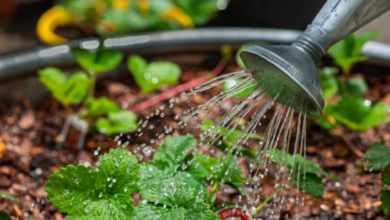
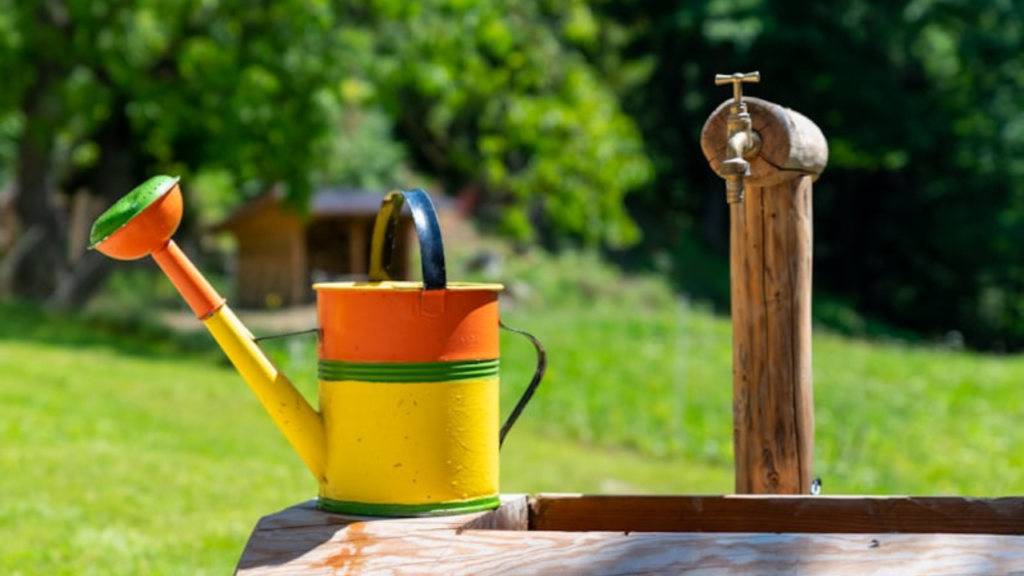
Watering is the most frequent interaction you will have with your plants, so it makes sense that your watering can should be your most carefully chosen tool. Many people start by using a simple kitchen pitcher or a plastic bottle, but these often lead to messy spills and uneven watering. A proper indoor watering can should have a long, narrow spout. This design is not just for aesthetics; it allows you to direct the flow of water precisely to the base of the plant, avoiding the foliage. This is crucial because many plants, especially those with fuzzy leaves like African Violets, can develop fungal issues or rot if their leaves stay wet for too long. A long spout also helps you reach into the center of bushy plants or get to pots tucked away on high shelves.
Beyond the standard can, a high quality glass or metal mister is another essential. While there is some debate in the plant community about how much misting actually raises long term humidity, there is no denying that it serves several practical purposes. Misting is an excellent way to clean dust off leaves, which allows the plant to photosynthesize more efficiently. It is also vital for air plants and certain ferns that absorb moisture directly through their foliage. When choosing a mister, look for one that produces a very fine fog rather than large droplets. Large drops can sit on the leaves and act like tiny magnifying glasses under the sun, potentially causing burn spots. A fine mist evaporates quickly, providing a gentle boost of localized humidity that many tropical plants crave.
Precision Pruning: The Art of Clean Cuts
As your indoor jungle grows, you will inevitably need to do some “surgery.” Whether you are removing dead leaves, harvesting herbs, or taking cuttings for propagation, you need a pair of dedicated pruning shears. Using regular kitchen scissors is a common mistake that can actually harm your plants. Kitchen scissors are designed to cut paper or food, often by crushing the material as they cut. When you crush a plant stem, you damage the vascular tissue, making it harder for the plant to heal and creating an entry point for bacteria and pests. Dedicated floral snips or bypass pruners are designed to slide past each other like a pair of sharp knives, creating a clean, crisp cut that heals rapidly.
Maintenance of your cutting tools is just as important as the tools themselves. A professional plant parent knows that you should always sterilize your blades with rubbing alcohol between plants. This prevents the accidental spread of diseases from one pot to another. For smaller, more delicate tasks like pruning a bonsai or trimming dead blossoms from a succulent, a pair of micro snips is ideal. These tools allow for incredible precision in tight spaces where larger shears might accidentally clip a healthy branch. Investing in high carbon steel blades ensures that your tools stay sharp for years, providing the clean cuts your plants need to stay healthy and vigorous.
Monitoring the Invisible: Moisture Meters and Hygrometers
One of the hardest things for a new plant parent to master is knowing what is happening beneath the surface of the soil. You might look at the top inch of dirt and think it is dry, while the roots at the bottom are actually sitting in a swamp. This is where a moisture meter becomes your best friend. This simple, battery free device has a long probe that you insert deep into the pot. It gives you an instant reading of the moisture levels at the root zone. While the “finger test” is a great skill to develop, a moisture meter provides an objective measurement that takes the guesswork out of watering. It is especially useful for large, deep pots where your finger simply cannot reach far enough to get an accurate reading.
While the moisture meter monitors the soil, a digital hygrometer monitors the air. Most tropical houseplants thrive in humidity levels between fifty and sixty percent, but the average modern home, especially during the winter when the heater is running, can drop to as low as fifteen percent. A hygrometer allows you to see exactly what your plants are experiencing. If you notice the humidity is too low, you know it is time to turn on the humidifier or group your plants closer together to create a microclimate. Having this data allows you to be proactive rather than waiting for your plants to show signs of stress, like brown, crispy leaf edges or stunted growth.
The Repotting Station: Trowels, Mats, and Brushes
Eventually, every plant will outgrow its home, and you will need to perform a repotting. This can be a messy process, but the right tools make it much more manageable. A small hand trowel is useful, but many indoor gardeners find that a “soil scoop” is even better. Scoops are designed to hold a large amount of soil without spilling it over the sides, which is perfect for filling the narrow gaps between the plant’s root ball and the side of the new pot. For very small succulents or terrariums, a set of miniature tools, including tiny rakes and shovels, can help you navigate the small spaces without disturbing the delicate arrangements.
To keep your living room from becoming a mud pit during this process, a waterproof repotting mat is a fantastic addition to your toolkit. These mats usually have buttons at the corners to create a tray like shape, catching all the loose soil and debris. Once you are finished, you can simply pour the excess soil back into the bag and wipe the mat clean. Finally, a soft bristled brush is a secret weapon for any serious gardener. It is used to gently brush away stray bits of dirt from the leaves and the rims of the pots after repotting. This ensures that your display looks clean and professional, and it prevents soil from sitting on the foliage where it could trap moisture and cause rot.
Two Critical Lists for the Modern Plant Parent
To help you organize your shopping list and prioritize your investments, consider these two categories of tools based on their role in your gardening routine.
Daily and Weekly Maintenance Essentials:
Long Spout Watering Can: For precise hydration without the mess.
Fine Mist Spray Bottle: To clean leaves and provide localized humidity.
Micro Snips: For removing spent blooms and dead leaves instantly.
Soft Microfiber Cloth: For wiping down large leaves like Monstera or Fiddle Leaf Figs to keep them dust free.
Digital Hygrometer: To keep a constant eye on the ambient air temperature and humidity.
The Seasonal and Growth Toolkit:
Bypass Pruners: For heavy duty cutting, propagation, and shaping.
Soil Moisture Probe: To prevent the silent killer known as overwatering in large containers.
Nylon or Canvas Tool Caddy: To keep all your small gadgets organized and portable as you move from room to room.
Soil Scoop and Repotting Mat: To make the transition to larger pots clean and efficient.
Root Rake: A specialized tool for gently loosening tight root balls during repotting without causing trauma.
The Importance of High Quality Lighting Tools
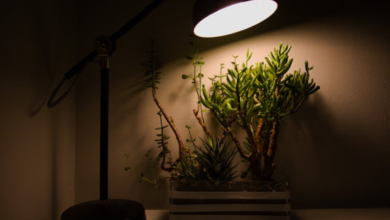
While not a “hand tool” in the traditional sense, lighting equipment is perhaps the most important technological addition to a modern indoor garden. Many of us live in spaces that do not have perfect southern exposure or large windows. In these cases, LED grow lights are essential tools. Modern grow lights come in many forms, from sleek halo lights that stick directly into the pot to powerful panels that can support an entire shelving unit of plants. When choosing lighting tools, it is important to look for “full spectrum” options. These bulbs mimic the natural spectrum of the sun, providing the blue light needed for leafy growth and the red light needed for flowering and root development.
Using a digital timer with your lighting setup is another pro move. Plants need a consistent rhythm of light and darkness to regulate their internal clocks. A simple plug in timer ensures that your plants get exactly twelve to fourteen hours of “sunlight” every day, regardless of whether you are home or not. This consistency is the secret to getting those spectacular, magazine worthy growth spurts. When you combine high quality light with precise watering and clean pruning, you are providing your plants with an environment that is actually superior to what they might find in many natural settings.
Investing in the Future of Your Indoor Jungle
The journey of a plant parent is one of constant learning and adaptation. As you gain experience, you will find that your toolkit evolves with you. You might start with just a watering can and a pair of scissors, but as your collection grows to include rare or more demanding species, you will appreciate the precision that specialized tools provide. It is always better to buy one high quality tool that will last a lifetime than to buy a cheap plastic version that will break within a few months. Metal tools, especially those made of stainless steel or copper, are not only more durable but also have natural antimicrobial properties that help keep your garden healthy.
Ultimately, these tools are an extension of your care and your connection to the natural world. They allow you to interact with your plants in a way that is respectful and effective. When you have the right equipment, the tasks of watering, pruning, and repotting become moments of Zen rather than points of stress. You become more observant, more patient, and more successful. Your indoor jungle is a living investment in your well being, and by providing yourself with the right tools, you are ensuring that this investment will continue to grow and flourish for many years to come.