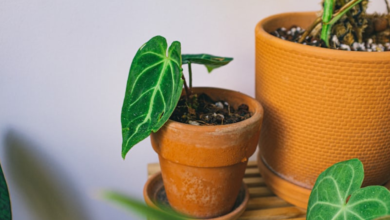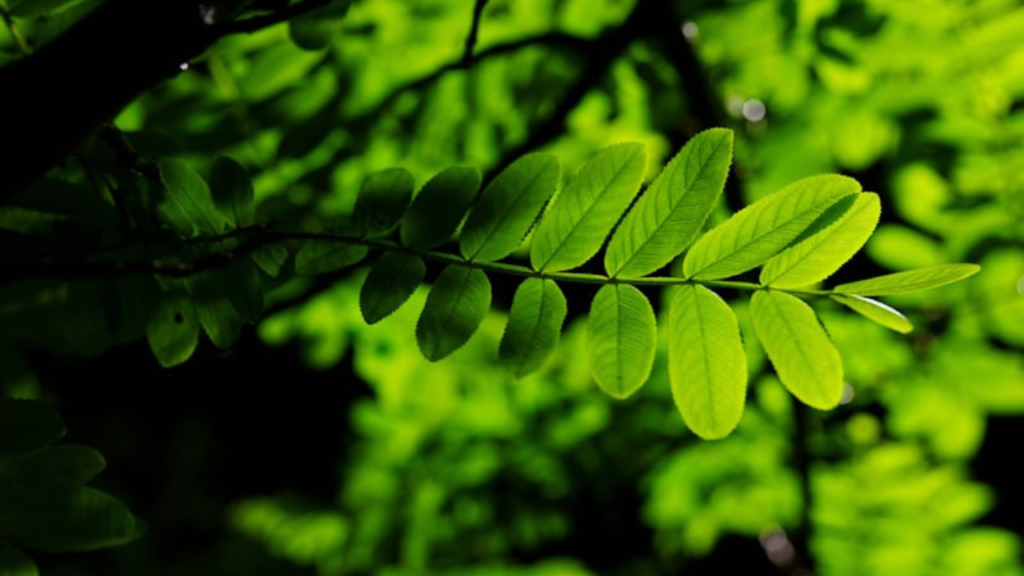
If you have ever wondered why your Fiddle Leaf Fig is looking a bit dull despite your religious watering schedule and expensive organic fertilizers, the answer might be sitting right on the surface. In the world of indoor gardening, we spend so much time obsessing over soil pH and drainage holes that we often forget the most hardworking organ of the plant: the foliage. In the wild, plants have the luxury of wind and rain to keep their solar panels clean. Indoors, however, our green roommates are at the mercy of household dust, pet dander, and microscopic cooking grease. When a layer of grime settles on those leaves, it does not just look messy; it is a physical barrier that compromises the plant’s ability to survive and thrive.
The Biological Mechanics of a Clean Leaf
To truly appreciate the value of a damp cloth, we have to look at the science of photosynthesis. Every leaf is a sophisticated factory designed to capture photons from the sun and convert them into chemical energy. When dust accumulates, it acts like a shaded filter. Even a thin layer can reduce the amount of light reaching the chlorophyll by significant margins. If the plant cannot eat light, it starts to cannibalize its own stored energy, leading to stunted growth and leggy stems. This is particularly crucial during the winter months when the sun is lower in the sky and the days are shorter. A dusty plant in a dark corner is essentially starving in slow motion.
Beyond light absorption, we have to talk about transpiration and gas exchange. On the underside of most leaves are thousands of tiny pores called stomata. Think of these as the plant’s lungs. They take in carbon dioxide and release oxygen and water vapor. When these pores get clogged with household debris, the plant effectively begins to suffocate. It cannot regulate its internal temperature or move nutrients from the roots to the canopy efficiently. By keeping the surface clear, you are ensuring that the hydraulic system of the plant remains pressurized and functional, leading to those crisp, turgid leaves we all love to see.
Tailoring Your Approach to the Leaf Type
One size definitely does not fit all when it comes to plant hygiene. Using the wrong technique on a delicate species is a quick way to cause permanent scarring or fungal infections. You have to categorize your collection before you start scrubbing.
The Glossy Giants: Plants like the Monstera Deliciosa, Rubber Trees, and Snake Plants have thick, waxy cuticles. These are the tanks of the plant world. They can handle and actually thrive on a firm but gentle wipe-down with a microfiber cloth. These surfaces are prone to water spots, so drying them after cleaning is key to achieving that store-bought shine.
The Fuzzy Fan-Favorites: Then you have the hairy plants, like African Violets or certain types of Begonias. These leaves are covered in trichomes that trap moisture. If you get these leaves wet, you are inviting crown rot or powdery mildew. For these guys, a soft-bristled makeup brush or a dedicated plant paintbrush is your best friend. You are basically dry-grooming them to flick the dust away without disturbing the delicate surface.
The Intricate and Dense: For plants with hundreds of tiny leaves, like a Boston Fern or a String of Pearls, wiping individual leaves is a recipe for a mental breakdown. These plants require a different strategy altogether, usually involving a gentle “rain” simulation.
Professional Cleaning Techniques and Best Practices
The Lukewarm Wipe-Down is the gold standard for most indoor foliage. Always use lukewarm water. Cold water can actually shock the cells of tropical plants, causing unsightly spots that never go away. Support the leaf from underneath with your palm to prevent snapping the midrib, and wipe from the stem toward the tip. This mimics the natural flow of water and prevents debris from getting shoved into the armpit of the leaf where pests like to hide.
For smaller plants or those with intricate, lacy foliage, a sink or shower rinse is incredibly effective. It flushes out the dust from hard-to-reach nooks. The trick here is the Pot Protection method. Wrap the base of the pot in a plastic bag or cling wrap to prevent the soil from washing away or becoming over-saturated. You want to clean the leaves, not drown the roots. This method also helps to humidity-boost the plant, which is a nice side effect for tropical species.
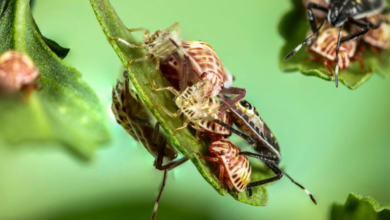
The best part about cleaning leaves is that it forces you to look at your plant up close. This is the perfect time to play detective. Look for the Big Three of indoor pests: Mealybugs, Spider Mites, and Scale. Catching these while you are cleaning usually means you can treat the problem before it becomes a full-blown infestation. A clean plant is a healthy plant, but it is also a plant that gets inspected more often.
Achieving the Perfect Natural Shine Without Chemicals
There is a big debate in the horticultural community about leaf shine products. Most professional arborists will tell you to avoid the commercial aerosol sprays. These products often contain oils or waxes that create an artificial gloss but ultimately suffocate the stomata, leading to a plastic look that attracts more dust than before. It is a vicious cycle of chemical build-up that does more harm than good.
If you want that deep, healthy luster, look to your kitchen instead. A very dilute mixture of water and a drop of organic Castile soap is usually all you need to break down grease. Some enthusiasts swear by a 1:10 milk-to-water ratio; the proteins in the milk provide a gentle sheen and may even offer minor antifungal benefits. Another pro tip is using the inside of a banana peel. It is rich in potassium and leaves a beautiful, natural glow. Just be sure to wipe away any sugary residue so you do not end up hosting a party for local ants.
Environmental Maintenance to Prevent Dust
Maintaining clean leaves is much easier if the air in your home is not working against you. High-traffic areas or rooms with wood-burning stoves will always have more airborne particulates. Using a high-quality HEPA air purifier near your green wall can drastically reduce how often you need to break out the cleaning rags. Furthermore, keeping your humidity levels between 40% and 60% ensures the leaves stay supple and less likely to develop the static charge that attracts dust in the first place.
When you treat your plants as living organisms rather than static furniture, your approach to cleaning changes. It becomes a ritual of care. Every time you remove a layer of dust, you are quite literally giving the plant more breath and more light. This results in larger leaves, stronger stems, and a much more resilient plant overall.
Summary of Best Practices for Leaf Care
| Method | Target Plants | Frequency |
|---|---|---|
| Microfiber Wipe | Large, glossy leaves (Monstera, Rubber Tree) | Every 2-4 weeks |
| Soft Brushing | Fuzzy or delicate leaves (African Violets) | Monthly |
| Gentle Shower | Small-leaved or bushy plants (Ferns, Ivy) | Once a season |
At the end of the day, cleaning your plants is a meditative practice that benefits both the grower and the grown. It turns a chore into a moment of connection with nature. When your plants are clean, they are not just surviving; they are performing at their peak biological potential. They will reward you with faster growth, more vibrant colors, and a cleaner, more oxygenated home.