Living in a modern apartment or working in a basement office often comes with a significant architectural challenge: the lack of natural light. For a plant lover, a room with no windows can feel like a forbidden zone, a place where greenery goes to wither and die. We have been taught since elementary school that plants need sunlight to perform photosynthesis, and without it, they simply cannot survive. However, nature is incredibly resilient and adaptable. In the deep undergrowth of tropical rainforests, where the canopy is so thick that almost no direct sunlight reaches the ground, certain species have evolved to thrive in near darkness. These are the true low light heroes of the botanical world.
When we talk about plants for rooms with no windows, we have to be realistic. No plant can live in total, permanent darkness forever. However, many species can thrive under artificial light, such as standard LED office lights or specialized grow lights, and they can tolerate long periods where the light levels are extremely low. The key to success in these windowless spaces is not just choosing the right plant, but also adjusting your care routine to match the slower metabolic pace of a plant living in a low energy environment. In this comprehensive guide, we will explore the science of low light survival and introduce you to the champions that can turn your dark hallway or windowless bathroom into a lush sanctuary.
The Science of Survival in the Shadows
To understand why some plants can survive in windowless rooms while others fail, we have to look at their cellular structure. Plants that are adapted to low light often have larger, darker green leaves. The dark green color comes from a high concentration of chlorophyll, the pigment responsible for capturing light energy. Because there is so little light available, these plants have to be incredibly efficient at catching every single photon that hits their surface. This is why a succulent, which is adapted to the blazing desert sun, will quickly stretch and die in a dark room, while a Peace Lily or a Snake Plant will sit contentedly for months without a single ray of sunshine.
In a room with no windows, the plant is essentially living in a state of slow motion. Because it isn’t getting high energy sunlight, its growth will be much slower than it would be in a bright sunroom. This is actually an advantage for indoor decorators, as the plant will maintain its shape and size for a much longer period. However, this slow metabolism means the plant uses very little water. The most common reason people kill low light plants is by watering them as if they were sitting in the sun. In a dark room, the soil stays wet for much longer, and the risk of root rot increases exponentially. Success in a windowless room is as much about restraint with the watering can as it is about light.
The Hall of Fame: Top Plants for Zero Window Spaces
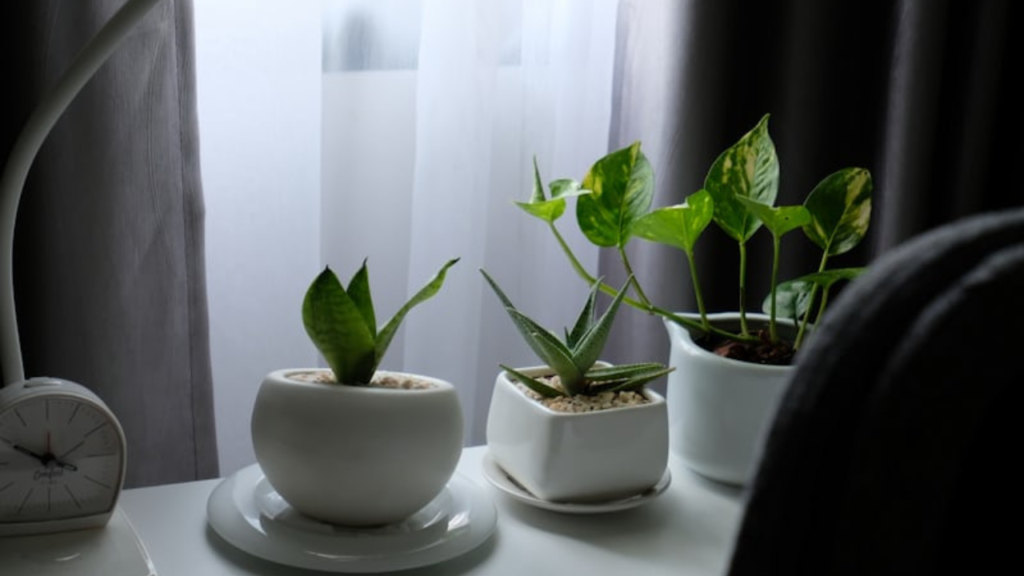
If you are looking for a plant that is nearly indestructible, the Snake Plant, also known as Sansevieria, is the undisputed king. These plants are native to arid regions of Africa and are designed to survive almost anything. They have thick, waxy leaves that store water, meaning they can go weeks or even a month without a drink. In a room with no windows, a Snake Plant will act like a living sculpture. It doesn’t mind the dry air of an office or the lack of humidity in a basement. It simply sits there, purifying the air and looking architectural. It is one of the few plants that can actually thrive on the mere glow of a desk lamp.
Another legendary survivor is the ZZ Plant, short for Zamioculcas zamiifolia. If you were to design a plant in a lab specifically for a windowless dungeon, it would look exactly like the ZZ. It has glossy, deep green leaves that look like they have been polished with wax. This glossiness is an adaptation that reflects whatever tiny bits of light are available back into the leaf’s internal structures. The ZZ plant grows from thick, potato like structures under the soil called rhizomes, which store water for emergencies. This plant is so hardy that it often looks fake, and it is frequently the only thing that can survive in windowless shopping malls or hospital waiting rooms.
For those who want something with a bit more of a “jungle” feel, the Pothos vine is an excellent choice. While Pothos loves bright, indirect light, it is incredibly forgiving of dark corners. In a windowless room, the variegated versions (those with white or yellow splashes) might turn solid green as the plant produces more chlorophyll to compensate for the lack of light, but it will continue to grow long, graceful vines. You can hang it from a high shelf or let it trail down a filing cabinet. The Pothos is also a great communicator; its leaves will slightly wilt when it is thirsty, giving you a clear signal that it is time for a soak without requiring you to guess.
Crucial Care Tips for Windowless Environments
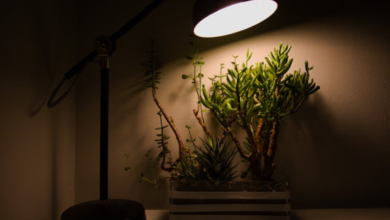
When you move a plant into a room without windows, you are essentially asking it to live on a “starvation diet” of light. To help it succeed, you should consider the type of artificial light you are providing. Standard overhead fluorescent or LED lights are actually quite effective if they are left on for at least eight to ten hours a day. If the room is dark for twenty four hours a day, even the hardiest Snake Plant will eventually give up. If you are serious about your windowless jungle, investing in a small, full spectrum LED grow light can make a massive difference. These lights mimic the wavelengths of the sun and can keep even slightly more demanding plants, like the Spider Plant or the Cast Iron Plant, very happy.
Humidity is another factor that people often forget in windowless rooms. Many of these spaces, like interior bathrooms, can actually be quite humid, which is great for ferns like the Lemon Button Fern. However, in a dry office, the lack of airflow combined with low light can create a breeding ground for spider mites. It is a good idea to wipe the leaves of your low light heroes with a damp cloth every few weeks. This not only provides a tiny bit of moisture but also removes dust. In a low light environment, dust is a major enemy because it blocks the very little light that is reaching the leaf, further starving the plant of energy.
Two Essential Perspectives on Plant Selection
To make your selection process easier, consider these two ways of categorizing your potential green roommates based on your specific needs.
The “Set It and Forget It” Champions:
Snake Plant: Perfect for those who travel often or forget to water, as it thrives on neglect and low light.
ZZ Plant: The ultimate choice for offices where the lights are turned off during the weekend.
Cast Iron Plant: Aptly named because it is as tough as iron, surviving in dark corners where other plants turn yellow.
Aglaonema (Chinese Evergreen): Offers beautiful leaf patterns while being remarkably tolerant of low light office settings.
The “High Impact” Low Light Decorators:
Peace Lily: Not only survives in low light but also produces elegant white blooms, though it requires more frequent watering.
Heartleaf Philodendron: A trailing beauty that creates a lush, cascading effect even in the dimmest rooms.
Spider Plant: Highly adaptable and produces “babies” that hang down, adding movement and life to a windowless space.
The Philosophical Benefits of Greening Dark Spaces
Beyond the aesthetic appeal, bringing plants into windowless rooms has a profound impact on human psychology. Studies have shown that the presence of greenery can reduce stress, increase productivity, and improve air quality. In a room with no windows, we often feel disconnected from the outside world and the natural rhythm of the seasons. A living, breathing plant acts as a bridge to nature. Watching a new leaf slowly unfurl on a Pothos vine in a basement office provides a sense of hope and continuity that artificial decorations simply cannot match.
Furthermore, these low light heroes are excellent at cleaning the air. Many of the plants mentioned, like the Snake Plant and the Peace Lily, were part of NASA’s famous Clean Air Study. They are capable of filtering out common indoor toxins like benzene, formaldehyde, and trichloroethylene. In windowless rooms, where ventilation might not be as good as in other parts of the building, having a few botanical filters can actually make the environment healthier for you to breathe. It is a symbiotic relationship: you provide the artificial light and a little bit of water, and the plant provides you with cleaner air and a calmer mind.
In conclusion, a room without windows is not a death sentence for your gardening ambitions. By selecting plants that have spent millions of years adapting to the shadows, and by adjusting your care to respect their slower pace of life, you can successfully grow a beautiful indoor garden anywhere. The Snake Plants, ZZ Plants, and Pothos of the world are waiting to prove to you that life can thrive even in the darkest corners. Respect their need for dry soil, give them a few hours of artificial light, and they will reward you with a splash of permanent, vibrant green.