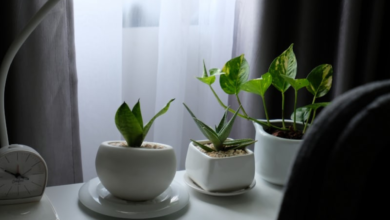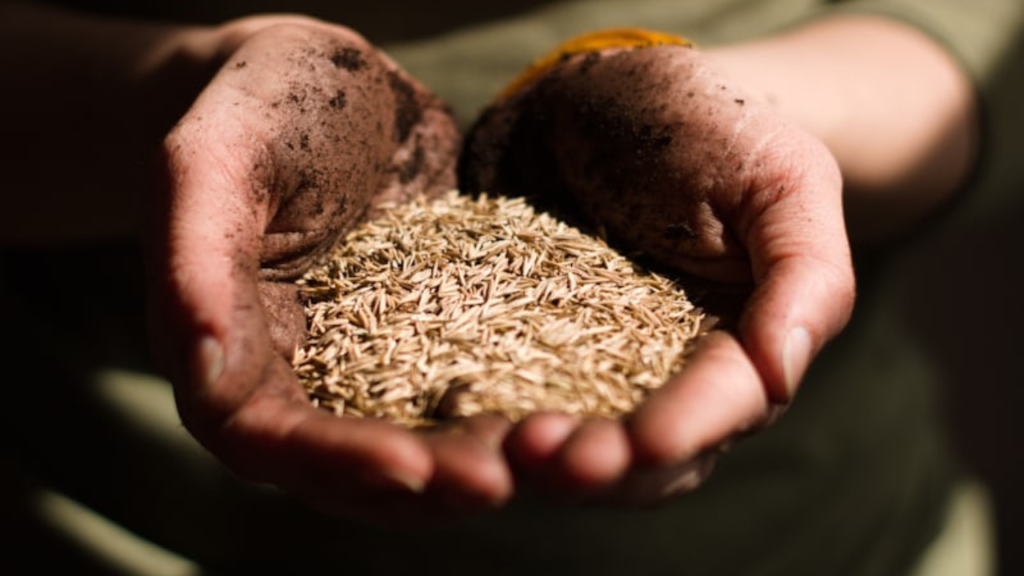
Creating a thriving indoor jungle is a dream for many urban dwellers. We want that lush green aesthetic that transforms a cold apartment into a living sanctuary. However, most beginners focus solely on the light and the water, completely ignoring the very foundation of plant health: the soil. Or more accurately, the potting mix. When you bring a plant into your home, you are taking it out of its natural habitat where its roots can stretch for miles to find nutrients and drainage. In a pot, that plant is entirely dependent on the few cups of medium you provide. Choosing the wrong mix is like trying to build a skyscraper on a swamp. It might look good for a few weeks, but eventually, the foundation will fail, and the plant will follow.
The first thing you need to understand is that potting soil is not actually soil. Real soil from your backyard contains minerals, clay, and sand, but it also contains weed seeds, pests, and pathogens that can thrive in the stagnant air of a home. True garden soil is too heavy for pots. It packs down tightly, squeezing the life out of roots and preventing water from draining. This leads to a lack of oxygen, which is the number one cause of root rot. An indoor potting mix is a sterile, engineered environment designed to provide three things: structural support, nutrient retention, and most importantly, aeration.
The Anatomy of a Perfect Potting Medium
To choose the right mix, you have to understand what goes into it. Most commercial mixes are peat based. Peat moss is fantastic because it holds a massive amount of water without becoming heavy, and it has a slightly acidic pH that most tropical plants love. However, peat can be difficult to rewet once it goes bone dry. If you have ever poured water into a pot and watched it run straight down the sides without soaking in, that is the peat moss rejecting the moisture. This is why high quality mixes often include a wetting agent or are blended with other materials.
Another common ingredient is coconut coir. This is a more sustainable alternative to peat moss. It is made from the husks of coconuts and has a more neutral pH. Coir is excellent at breaking up over time and does not compact as easily as peat. Then we have the drainage heavyweights: perlite and vermiculite. Perlite looks like tiny bits of Styrofoam but is actually volcanic glass that has been heated until it pops. It creates air pockets in the mix, which is vital for root respiration. Vermiculite is similar but holds a bit more moisture. If you are growing a plant that loves to stay damp, you want more vermiculite. If you are growing something like a cactus that needs to dry out fast, you want a heavy dose of perlite.
Understanding the Needs of Different Plant Families
Not every plant in your jungle wants the same bed to sleep in. Imagine a cactus from the high deserts of Mexico sharing the same soil as a fern from a misty tropical rainforest. It simply does not work. The cactus has evolved to live in gritty, rocky soil that drains almost instantly. Its roots are designed to grab a quick drink and then sit in dry air to prevent rot. If you put a cactus in a standard “All Purpose” potting mix, the organic matter will hold onto moisture for too long, and within a month, the base of your cactus will turn into mush.
On the other hand, a Calathea or a Peace Lily comes from the forest floor where the ground is always covered in decaying leaves and organic matter. These plants want a mix that is rich, dark, and moisture retentive. They have fine, hair like roots that can dry out and die in minutes if the soil becomes too parched. For these plants, you want a mix that has a higher percentage of peat or coir and perhaps some composted forest products. This provides a steady supply of humidity to the root zone even as the surface of the soil begins to dry.
The Dangers of Cheap and Low Quality Mixes
It is very tempting to grab the cheapest bag of dirt at the big box store, but this is often a fatal mistake for your indoor jungle. Cheap mixes are often “heavy.” They contain too much fine organic dust and not enough structural components like perlite. When you water these mixes, they turn into a thick, mud like consistency. As the water evaporates, the soil shrinks and hardens into a brick, pulling away from the edges of the pot. This creates a dangerous situation where the water just flows down the gap between the soil and the pot, never actually reaching the roots in the center.
Furthermore, low quality mixes are often not properly sterilized. This means you might be bringing fungus gnats or even predatory larvae into your home. There is nothing more frustrating than spending months nursing a rare Monstera back to health only to have it infested by pests that lived in the soil bag. Investing in a premium, professional grade potting mix is the cheapest insurance policy you can buy for your plant collection. These mixes stay fluffy for years, allowing your plants to grow massive root systems that can support large, beautiful leaves.
Customizing Your Own Mix for Better Results
Once you become a more experienced plant parent, you will realize that “one size fits all” rarely applies. Many enthusiasts prefer to buy base ingredients and mix their own “Aroid Mix” or “Succulent Mix.” This gives you total control over how the water moves through the pot. For example, if you live in a very humid climate, you might want to add extra perlite to your mix to speed up evaporation. If you live in a dry desert apartment with the heater running all winter, you might add more coco coir to keep the roots from frying.
A classic “Jungle Mix” that works for almost all tropicals involves a base of potting soil, a generous helping of orchid bark, and a handful of perlite. The orchid bark is a game changer. It creates large “macropores” in the soil, which are basically caves for the roots to grow into. This mimics the way many tropical plants grow in nature, often climbing trees or growing in the debris caught in rock crevices. When roots have access to both moisture and air, the growth rate of the plant explodes. You will see larger leaves and stronger stems because the plant is not struggling just to survive in a suffocating pot.
Two Essential Lists for Every Indoor Gardener
While the explanation is the core of your success, keeping these simple factors in mind will help you when you are standing in the garden center staring at dozens of different bags.
Factors to Consider Before Buying a Mix:
The specific genus of the plant and its native habitat.
The material of the pot, such as terracotta which breathes or plastic which holds moisture.
The light levels in your home, as lower light means slower water consumption.
Your own watering habits, whether you are a chronic overwaterer or someone who forgets.
Signs Your Current Mix is Failing Your Plant:
Water sits on top of the soil for a long time before soaking in.
The soil feels “hard” or “crusty” to the touch even when damp.
There is a white, salty crust forming on the surface of the soil.
The plant looks wilted even though the soil feels heavy and wet.
The Role of Fertilizer and Long Term Soil Health
Many people assume that a fresh bag of potting mix provides all the food a plant will ever need. This is another myth. Most commercial mixes come with a “starter charge” of fertilizer that usually lasts about six weeks to three months. After that, the nutrients are washed away by your watering routine. To keep your indoor jungle green, you must supplement the soil with a liquid or slow release fertilizer. However, you must be careful. Without good drainage, these fertilizer salts can build up and burn the roots. This is why choosing a high quality, airy mix is so important; it allows you to feed your plants heavily without the risk of salt toxicity.
Over time, even the best potting mix will begin to break down. The organic fibers of the peat and bark will decompose and settle, making the mix denser and less aerated. This is why repotting is necessary every one to two years. It is not always about giving the plant a bigger pot; it is about giving it “fresh air” in the form of new, uncompacted soil. When you repot, gently shake off the old, tired soil and replace it with a fresh batch of your chosen mix. You will often see a sudden burst of new growth shortly after because the roots are suddenly able to breathe again.
In conclusion, the potting mix you choose is the silent partner in your gardening journey. It works behind the scenes to regulate moisture, provide oxygen, and hold the plant upright. By understanding the ingredients and matching them to the specific needs of your diverse plant collection, you move from being a casual observer to a master of your indoor environment. Your plants are trapped in those pots, so give them the best foundation possible. Treat their soil with as much respect as you treat their leaves, and your indoor jungle will reward you with years of beauty and clean air.