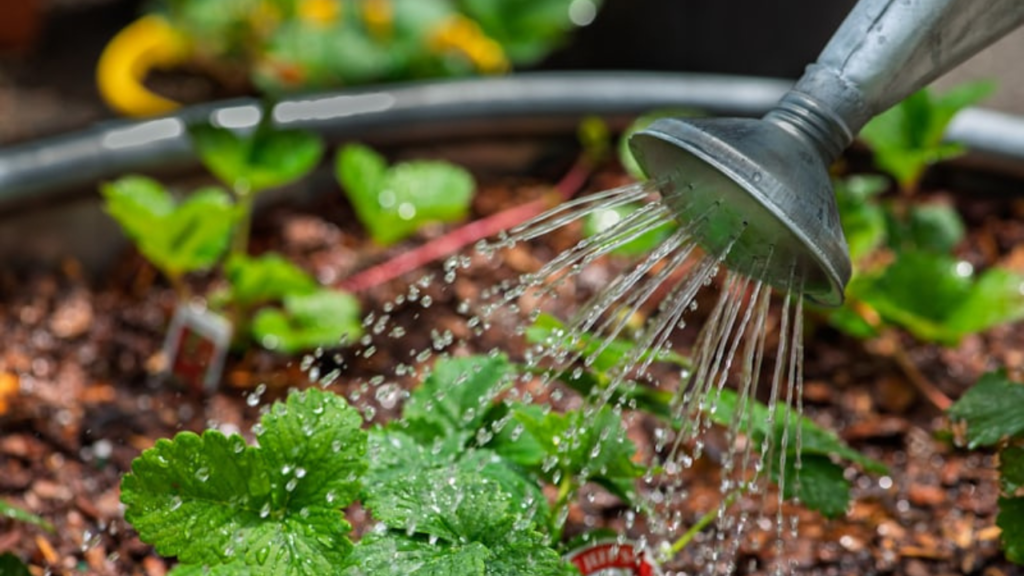
Bringing a new plant into your home is always an exciting moment. You find the perfect spot on the windowsill, you admire the vibrant green leaves, and you promise yourself that this time things will be different. Yet, for many of us, that excitement eventually turns into a slow motion disaster. We watch as leaves turn yellow, stems go limp, and eventually, we are left staring at a pot of dry dirt and a dead dream. The culprit is almost always the same thing: improper watering.
Most people think that watering is the easiest part of plant care. You just pour some water in whenever you remember, right? Unfortunately, that is the quickest way to send your green friends to an early grave. Watering is actually a delicate balance of biology and environmental science. To keep your indoor jungle thriving, you have to move past the amateur mistakes and start thinking like a professional horticulturist. Here is the deep dive into the five golden rules that will change your plant game forever.
Rule Number One: Stop Following a Strict Calendar Schedule
The single biggest mistake any plant owner can make is watering on a fixed schedule. If you are watering every Monday morning just because it is Monday, you are likely suffocating your plants. Plants are living organisms, not machines. Their thirst levels change constantly based on the temperature of the room, the amount of sunlight hitting their leaves, and even the humidity levels in the air. A plant in a sunny window during a hot July afternoon will need much more water than that same plant in a dim corner during the middle of January.
Instead of a calendar, you must rely on the Finger Test. This is the most reliable tool in your arsenal. You simply stick your index finger about two inches deep into the soil. If the soil feels cool and damp at that depth, you should walk away and leave the plant alone. If it feels dry and crumbly, then your plant is actually ready for a drink. The reason we go two inches deep is because the top layer of soil dries out very quickly due to airflow, but the roots might still be sitting in a swamp underneath. If you keep adding water to soil that is already wet at the bottom, the roots will eventually rot and die because they cannot breathe.
Rule Number Two: Understand the Quality of the Water You Use
We tend to think that if the water is safe for us to drink from the tap, it must be perfect for our plants. However, municipal tap water is often treated with chemicals like chlorine and fluoride. While these are great for keeping our drinking water clean, they can be quite harsh on sensitive tropical plants. Over time, these chemicals and minerals build up in the soil and the plant tissues, which is why you often see those ugly brown tips on the ends of your leaves.
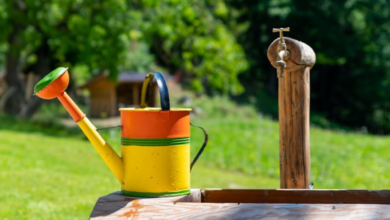
The best way to handle this is a simple trick called Off Gassing. You should fill your watering can and let it sit out on your counter for at least twenty four hours before you use it. This allows the chlorine to evaporate into the air. More importantly, it brings the water to room temperature. Most houseplants come from tropical climates where the rain is warm. If you blast their roots with ice cold water straight from the tap, you are shocking the system. This shock can lead to stunted growth or even cause the plant to drop its leaves in protest. Letting the water sit out makes it much more gentle and natural for the plant to absorb.
Rule Number Three: The Importance of Deep Watering and Drainage
When you finally do decide it is time to water, you need to do it correctly. Many people just give their plants a little splash of water every day. This is a terrible habit. Small splashes only wet the top layer of soil, which encourages the roots to grow upwards toward the surface. This makes the plant weak and very vulnerable to drying out. You want to encourage deep, strong roots that grow all the way to the bottom of the pot.
The professional method is the Deep Soak. You should pour water slowly and evenly across the entire surface of the soil until you see it pouring out of the drainage holes at the bottom. This ensures that every single root has access to moisture. It also serves a second purpose: flushing the soil. As you water deeply, the excess water carries away built up salts and fertilizer residues that can become toxic if they stay in the pot too long. Once you have finished a deep soak, you must make sure the plant is not sitting in a saucer full of water for more than thirty minutes. If the plant stays in standing water, it will lead to root rot, which is almost impossible to fix once it starts.
Rule Number Four: Adjust Your Habits for the Changing Seasons
Your plants go through different life stages throughout the year. During the spring and summer, they are in their active growth phase. They are pushing out new leaves, growing taller, and using up a lot of energy. During this time, they are very thirsty and can handle more frequent watering. You might find yourself watering some plants twice a week during a heatwave. This is the time to be generous with your care because the plant has the metabolism to handle it.
However, everything changes when winter arrives. As the days get shorter and the light becomes less intense, most houseplants enter a period of rest or dormancy. Their growth slows down significantly, which means they are not “drinking” nearly as much water. If you continue your summer watering habits during the winter, you will drown your plants. You should always wait longer between watering sessions in the winter. At the same time, keep in mind that indoor heaters dry out the air. While the roots might not need much water, the leaves might appreciate some humidity. Grouping plants together or using a humidifier can help them survive the dry winter air without over saturating the soil.
Rule Number Five: Learn to Read the Signs of Distress
Plants cannot speak, but they are constantly sending you signals about their health. The problem is that many of the symptoms for overwatering and underwatering look very similar to the untrained eye. Both can result in drooping or yellow leaves. You have to look closer to understand what the plant is actually telling you. Learning this “plant language” is the difference between a beginner and an expert.
If your plant is thirsty, the leaves will usually feel thin, dry, and crispy. You will notice that the soil has actually shrunk away from the sides of the pot. If you give a thirsty plant water, it will usually perk back up within a few hours. On the other hand, if a plant has been overwatered, the leaves will feel soft, limp, and almost mushy. You might see yellowing that starts at the base of the plant and moves upward. You might even notice a bad smell coming from the soil or see tiny gnats flying around. If you see these signs of overwatering, the best thing you can do is stop watering immediately and let the soil dry out completely before you even think about touching the watering can again.
Common Signs of Watering Issues
Overwatering Signs: Soft yellow leaves, mold growing on the soil surface, a heavy pot that never seems to get lighter, and stems that feel squishy or dark near the soil line.
Underwatered Signs: Brown and crunchy leaf edges, leaves that curl inward to protect themselves, and soil that feels like dust when you touch it.
Pro Tip: Always use pots with drainage holes. If you have a beautiful decorative pot with no hole, keep the plant in a plastic nursery pot inside the decorative one so you can take it out to water it.
Mastering these five rules will take the guesswork out of your plant care routine. It turns a chore into a rewarding experience where you are working in harmony with nature. Instead of just guessing and hoping for the best, you are now observing and responding to exactly what your plants need. It takes a little bit of patience and a lot of discipline to not overwater, but your plants will thank you with lush, green growth for years to come.